
3 04, 2022

Adopt a Dog or Cat from the Animal Shelter

2026-02-27T18:12:11+00:00April 3rd, 2022|Animal Advocacy, Animal Rescue, Pets, Sheltering|

A second chance saves a life—and gives you a companion who needs you. Tens of thousands of dogs and cats—including puppies and kittens—are killed daily in animal shelters. One large city shelter can euthanize up to 300 cats and kittens in one day. Many shelters across the U.S. still use gas chambers, heart sticks, [...]


15 05, 2021

Should you put your cat on a diet?

2026-02-26T15:30:16+00:00May 15th, 2021|Animal Advocacy, Animal Behavior, Animal Rescue, Cat Behavior, Cat Training, Sheltering|

Over the last 10-15 years, there has been a growing trend and obsession to have skinny cats, ironically at a time when the human population has gotten fatter. The eating habits and metabolisms of domestic cats are very different than those of humans and dogs. Cats naturally eat 10-20 small meals a day. They [...]

8 03, 2021

Hold and Handle Kittens without Scruffing

2025-07-26T20:29:25+00:00March 8th, 2021|Animal Advocacy, Cat Behavior, Cat Training, Sheltering|

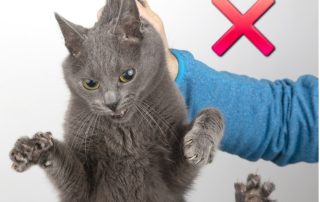
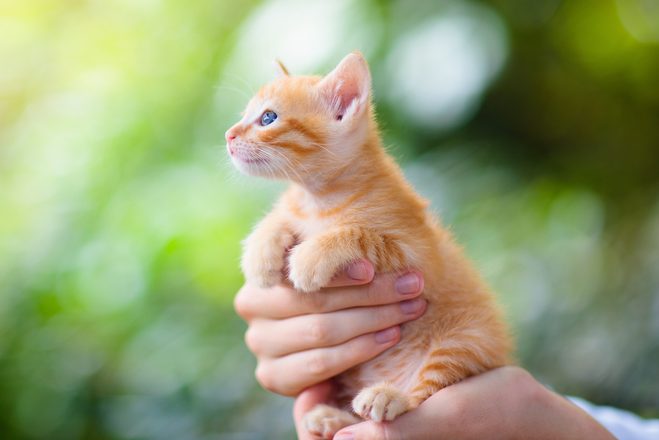
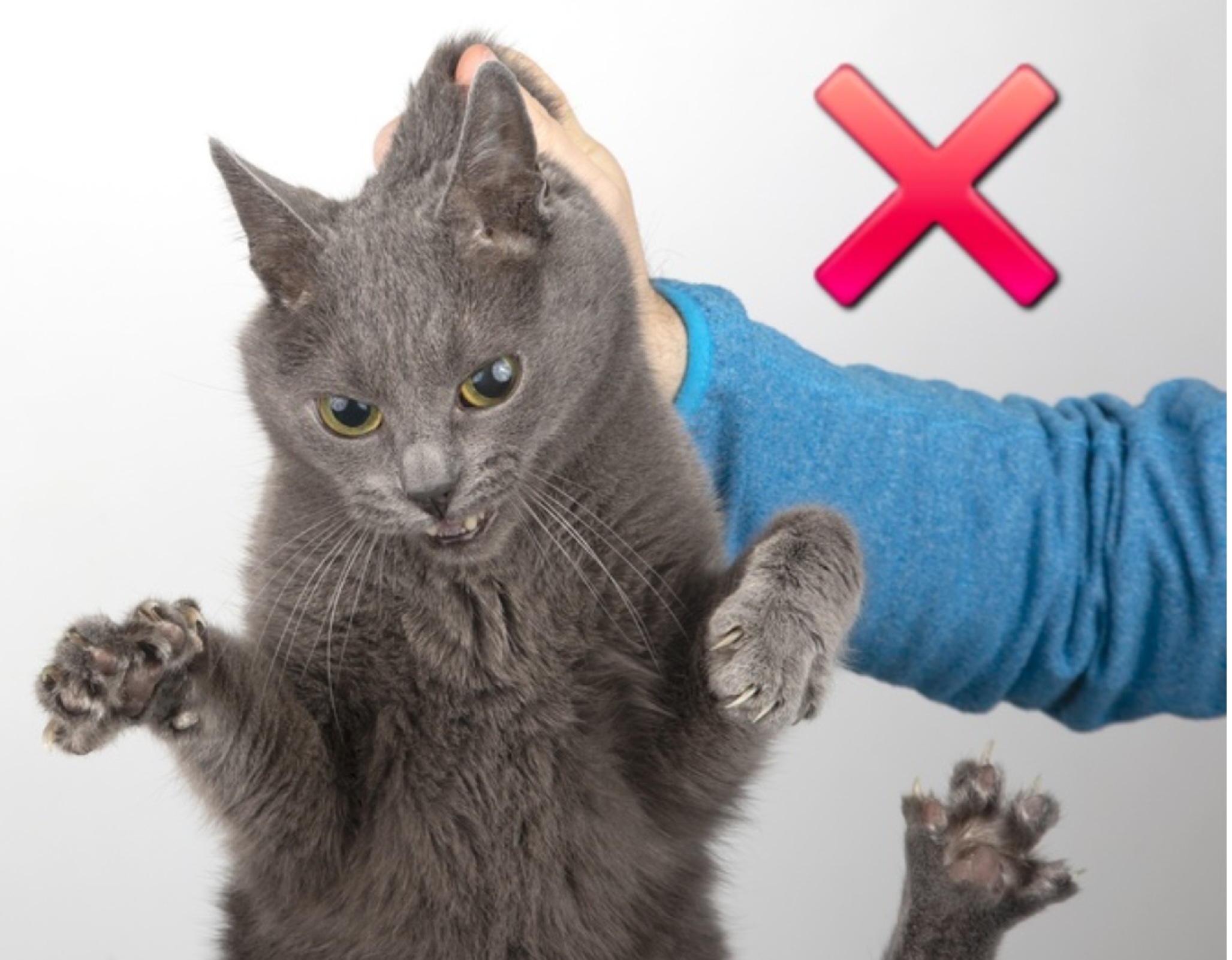
Don't carry kittens by the scruff. Many of us have been taught to scruff kittens (to carry and hold kittens and cats by the back of their necks) because this is how the mother cat carries her kittens. This is not the correct way to carry and hold kittens. Kittens need to [...]

29 03, 2020

The Truth About FIV+ Cats: Safe, Social, and Adoptable

2026-02-26T22:57:30+00:00March 29th, 2020|Animal Advocacy, Animal Rescue, Cat Behavior, Cat Training, Sheltering|

Many people may not know what FIV+ means. An FIV+ kitty is a cat who has the Feline Immunodeficiency Virus. This virus is specific to cats. It is similar to HIV in humans. FIV does not frequently make a cat sick. Some cats will live their full life expectancies – up to 20 years [...]

1 09, 2019

Low-Stress Cat Handling Webinars — Feline Fundamentals

2026-03-01T16:19:14+00:00September 1st, 2019|Animal Advocacy, Cat Behavior, Cat Training, Sheltering|

Learn gentle cat handling techniques, feline body language, the use of towels, and humane approach with Alana's Cat Behavior & Handling Tutorials. Alana Stevenson, cat behaviorist, and Dr. Sally Foote, DVM discuss the importance of humane feline handling and low-stress veterinary care. Interview Highlights Alana: What do you think stands out the most about [...]

29 09, 2018

Alternatives to Scruffing Cats

2026-03-01T15:55:50+00:00September 29th, 2018|Animal Advocacy, Animal Rescue, Cat Behavior, Cat Training, Sheltering|

Scruffing can exacerbate behavioral issues and make handling more difficult—and even harmful—over time. Although mother cats will carry their newborn kittens by the back of the neck to relocate them, they only do this when their kittens are very young and mostly immobile. Mother cats are sensitive to the amount of pressure they use [...]

20 08, 2018

Why Dogs and Cats Are Surrendered or Rehomed

2026-03-01T01:05:40+00:00August 20th, 2018|Animal Advocacy, Animal Rescue, Cat Behavior, Dog Behavior, Sheltering|

Recently, I read a study on the relinquishment of animals in shelters and rehoming. It looked at demographics and the reasons people give up their dogs and cats or rehome them. Of course, since the research was based on people surveys, it may not be completely accurate — as people often make up reasons for [...]

7 12, 2017

The Differences between Stray and Feral Cats

2026-02-28T23:46:37+00:00December 7th, 2017|Animal Advocacy, Animal Rescue, Cat Behavior, Sheltering|

There is often confusion between feral and stray. It is important to be aware of the differences since "feral cat" is a label that is overused and can get a cat killed. This label can have dangerous consequences since most shelters will kill feral cats or people will assume the cats are unadoptable and [...]

6 09, 2017

Keep Bonded Animals Together

2026-02-28T22:41:41+00:00September 6th, 2017|Animal Behavior, Animal Rescue, Cat Behavior, Dog Behavior, Sheltering|

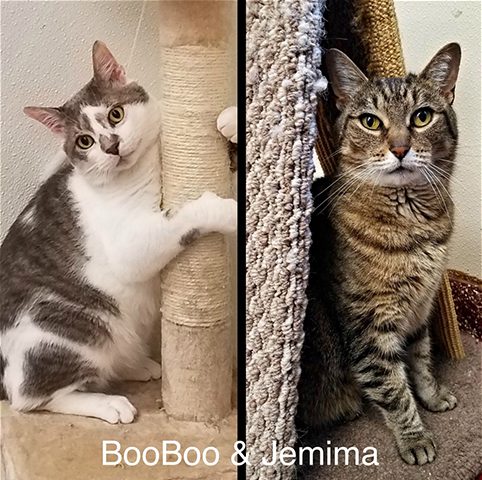
When planning to adopt only one dog, cat, or another companion animal, don’t separate a bonded pair—even if one is especially cute or appealing. Look for a singleton. Shelters and rescues routinely separate bonded animals because they are quicker to be adopted, but this can lead to emotional and behavioral fallout—especially for an animal who [...]

Go to Top